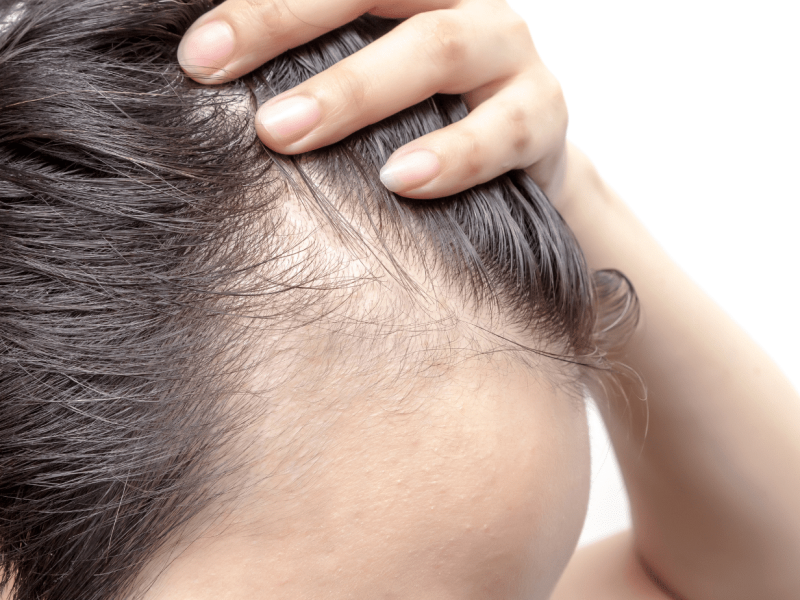
Hair loss is a common problem that affects millions of women worldwide, which equates to around 7% of the population. Hair loss or thinning hair can be caused by various factors, including genetics, hormonal changes, pregnancy, stress, and age. Thinning hair can have a significant impact on a woman’s self-esteem, and it can be challenging to find a solution that works for every individual. However, one treatment that has been gaining popularity in recent years is scalp micropigmentation for women.
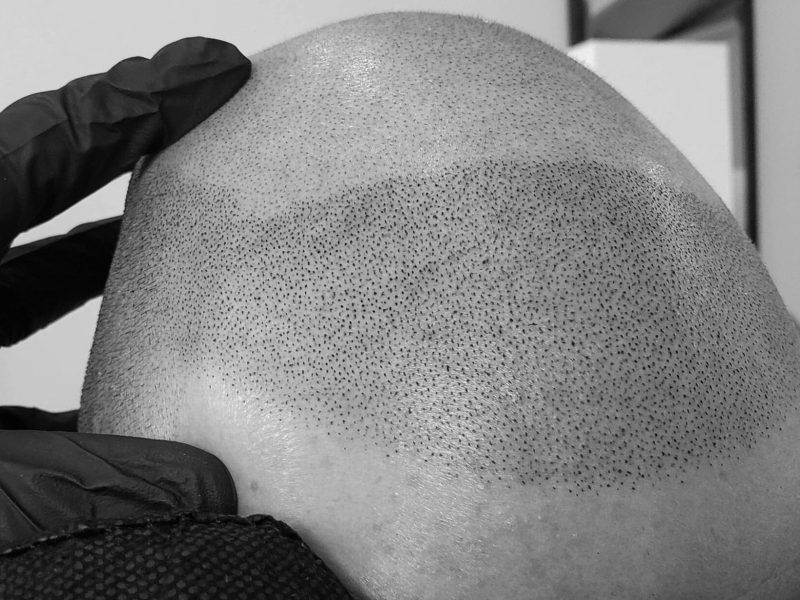
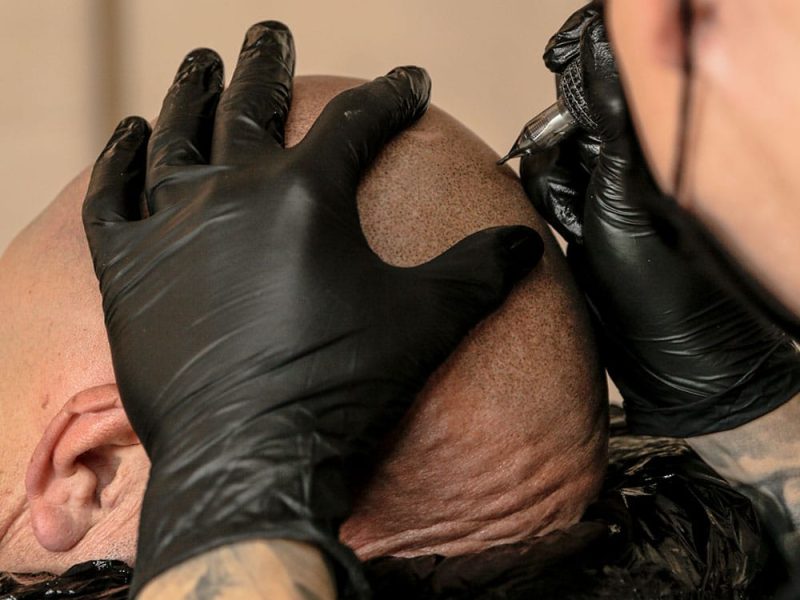
Scalp micropigmentation, also known as SMP, is a non-invasive procedure that involves tattooing tiny dots onto the scalp to mimic the appearance of natural hair follicles. The dots are placed strategically to create the illusion of a fuller head of hair, and the treatment can be customised to match the client’s hair colour and skin tone.
Many women are turning to scalp micropigmentation as a solution to thinning hair because it offers many benefits. For one, it is a long-lasting solution, often lasting 3 to 4 years before a top is required. Unlike other hair loss treatments such as wigs or extensions, scalp micropigmentation is a permanent solution that doesn’t require upkeep or maintenance past the initial SMP aftercare stage. Additionally, it is a non-surgical procedure, which means there is no downtime or recovery period, meaning you can get on with your usual activities.
Another advantage of scalp micropigmentation is that it is a versatile treatment that can be used to address a variety of hair loss issues. Whether you are experiencing diffuse thinning, pattern baldness, alopecia or even scalp scarring, scalp micropigmentation can help to create the appearance of a full head of hair.
When considering scalp micropigmentation, it is essential to choose a reputable provider who has experience working with women. While the treatment is often associated with male and pattern baldness, it can be equally effective for women. Our SMP artist, Carlos Gomes, is a skilled practitioner who can customise the treatment to suit your unique needs and create a natural-looking hairline that complements your facial features.
It’s also worth noting that scalp micropigmentation is not a one-size-fits-all solution. While it can be an effective treatment for many women, it may not be suitable for everyone; women who are currently pregnant or breastfeeding, have a history of keloid scarring or have an autoimmune disorder may not be good candidates for the procedure. If you have any queries about SMP, you can find out more in our article; answering common questions about SMP.
Scalp micropigmentation is a great treatment option for women experiencing thinning hair. It is a long-lasting, non-surgical solution that can help to restore a woman’s confidence and self-esteem. If you’re considering scalp micropigmentation, you can contact us to find out more. With the right practitioner, you can achieve a natural-looking, fuller head of hair that will leave you feeling more confident and beautiful in no time.